
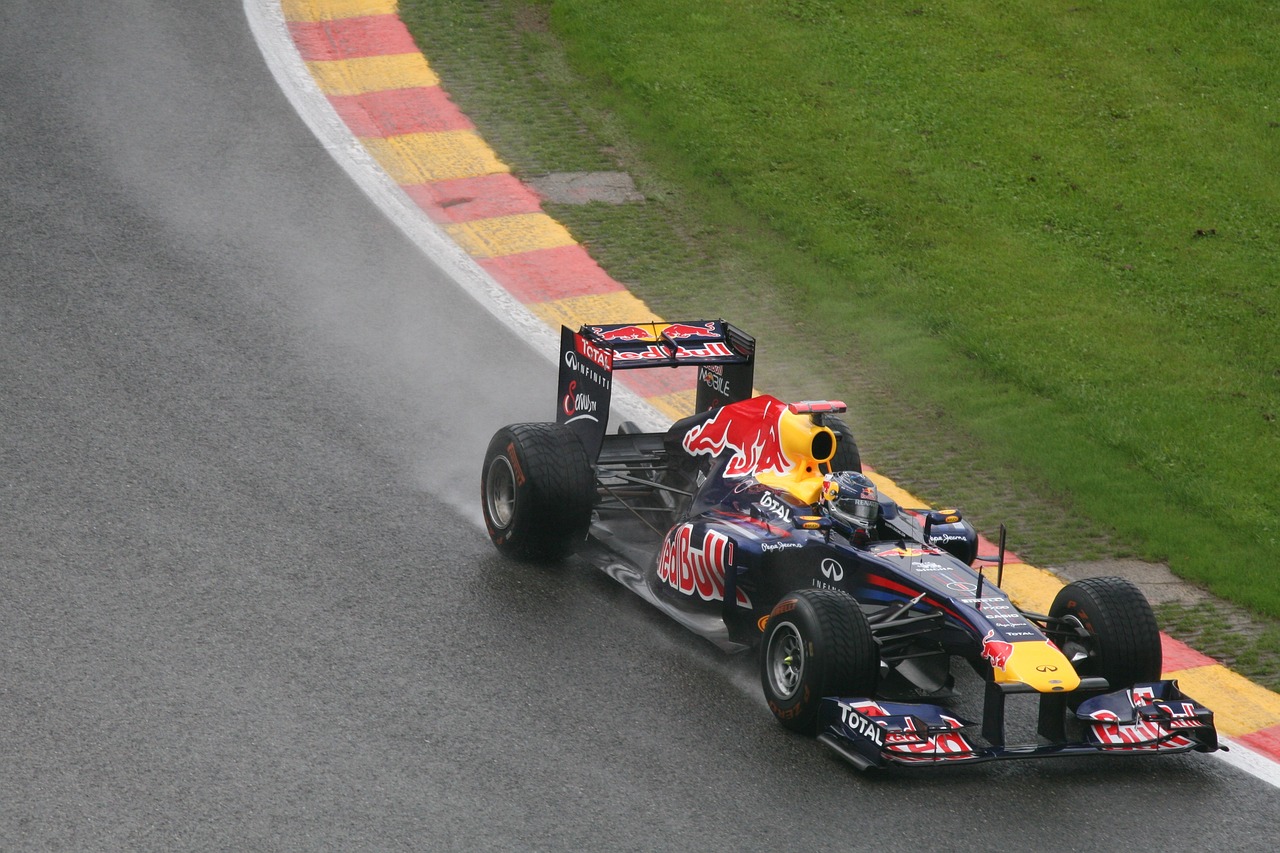
What Is Speed Trap In F1 Racing?
Speed trapping is a feature of Formula 1 racing that has been used in the sport for many years. It’s a way to measure how fast cars are going on the track, and it can be used to improve drivers’ performance. Speed trapping works by measuring the time it takes for drivers to get from one point on the track to another, usually at specific points such as corner apexes or braking zones. This allows teams and drivers to assess their performance and make improvements where necessary.
How Does Speed Trapping Work?
The system itself requires two pieces of equipment: an accelerometer, which measures acceleration; and a speed trap device that records how long it takes for a car to travel between two points on the track. The accelerometer records data about how hard and fast each car is accelerating, while the speed trap device identifies when each car passes through specific points on the track (known as “speed traps”). From this data, teams can analyze individual lap times, determine where they need improvement, or identify areas where they could increase their overall performance.
Why Is Speed Trapping Important In F1 Racing?
Speed trapping is important because it allows teams and drivers to understand exactly what needs improving in order to gain an edge over opponents or increase overall lap times. By comparing different parts of each driver’s laps with others competing in similar conditions, teams can identify weaknesses quickly so they can take action before race day approaches. Furthermore, by using speed traps throughout practice sessions leading up to major races like Monaco Grand Prix or Singapore Grand Prix, teams are able to optimize their setup for maximum potential during qualifying sessions—increasing their chances of success even further!
Conclusion
In conclusion, speed trapping is an essential tool in Formula 1 racing that helps teams maximize performance levels ahead of major events like the Monaco Grand Prix or Singapore Grand Prix. With accurate measurements available from both accelerometers and speed trap devices being placed throughout tracks around the world circuits, engineers have access to all kinds of valuable information about individual performances—allowing them to make small adjustments before race day arrives. Ultimately this improves everyone’s chance of success!