
How Many Players Make Up a Field Hockey Team?
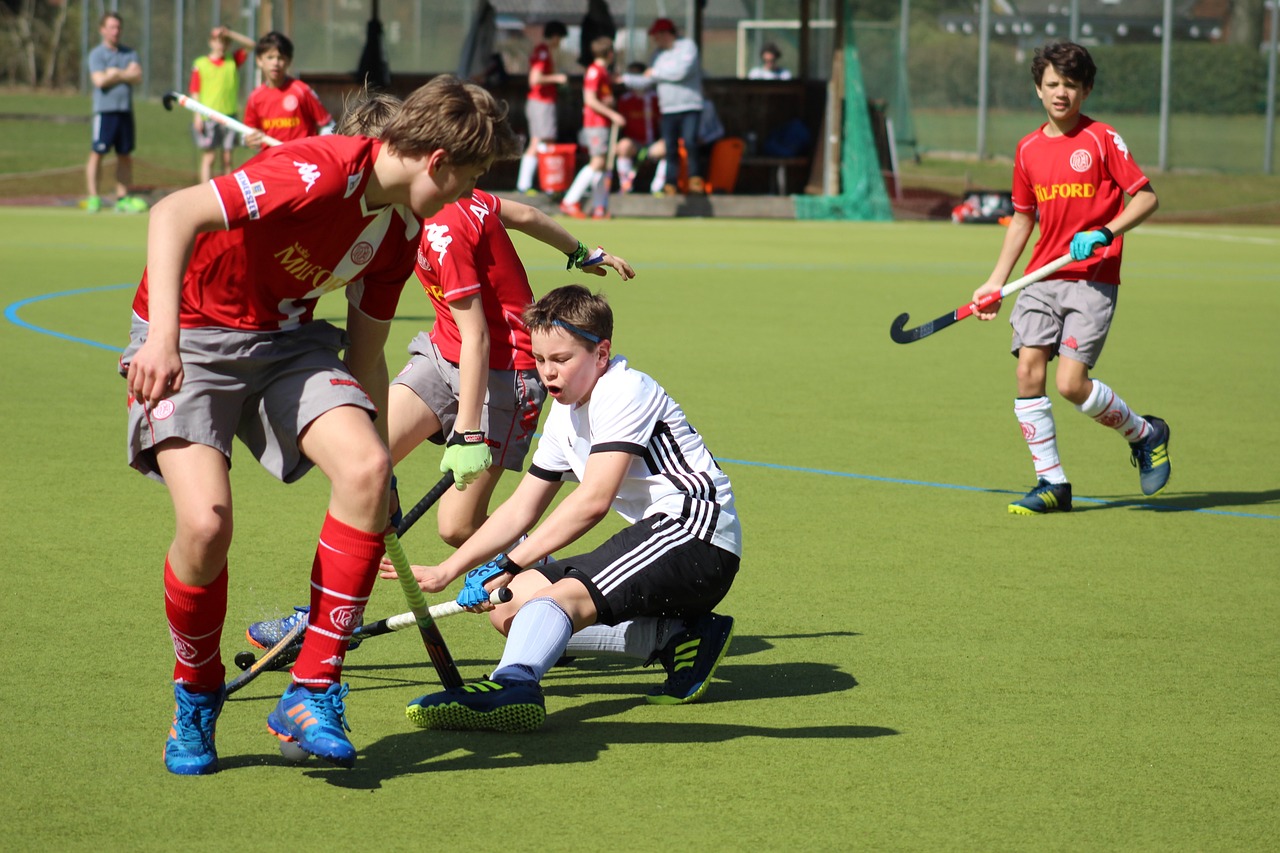
Field hockey is an exciting and fast-paced team sport that people of all ages can enjoy. But how many players make up a field hockey team? It’s important to know the answer if you’re looking to play, coach or even watch the game.
The Basics
A standard field hockey game consists of eleven players on each side: one goalkeeper, four defenders, three midfielders, and three forwards. However, some teams may opt for more defensive or attacking strategies and may choose to have fewer defenders or forward, respectively. In this case, 10 players would still be used as opposed to 11. The size of the field also affects the number of players in certain situations; for example, indoor games played on smaller fields are often limited to six per side instead of eleven due to space constraints. At either level though – full-sized or indoor – there will always be two goalkeepers present in a match at any given time, regardless of other alterations made for strategy purposes.
Substitutions
During competitive matches, teams are allowed up to five substitutions per game which gives them some flexibility when it comes to making changes during the course of play without having too much disruption caused by frequent player swaps. Depending on their skill set and experience level with different positions, they might decide not to take advantage of all five subs but usually keep at least one in reserve just in case something unexpected happens before full-time is called, such as an injury or red card incident that requires quick action from the bench staff. Substitutes can replace outfield players at any time, provided they wait until after their teammate has left the pitch before taking their place so as not to prevent confusion while running lines out onto the field itself during stoppages (e.g., penalty corners). This means that technically there could potentially be more than 11 total active members playing between both sides depending on how effectively coaches manage substitution options throughout any given contest!
Conclusion
At its most basic level, a traditional field hockey squad typically consists of two goalkeepers and nine other outfielders who work together harmoniously from start to finish, attempting to score goals while preventing opponents from doing the same. Whether played indoors or outdoors, the rules remain relatively consistent regardless of the surface area utilized. With generous allowances made for substitutions, it is possible to bolster the team size beyond the core number of eleven should circumstances arise warranting such a change-up. This tactic is wise in modern times as it makes building a cohesive and successful club unit much easier despite any individual limitations that everyone involved might otherwise bring to the table. The thought process in terms of overall strategic vision, objectives, and mindset going forward into future seasons and whatnot only benefits the entire sport activity itself worldwide, all told.