
Tire Heat in F1 Racing
F1 racing is an intense and thrilling sport, with drivers pushing their vehicles to the limit as they compete for victory. But how hot do F1 tires get? It’s a question that has puzzled many fans of the sport and one that we will explore in this article.
The Physics Behind Tire Heat
When a Formula 1 car accelerates and turns corners at high speeds, its tires generate heat due to friction between the tire rubber and track surface. This heat is then transferred through the sidewall of the tire into the air around it, causing rapid heating of both the tread compound and interior components of the tire itself. The hotter these components become, the more grip they have on surfaces – allowing cars to take tight cornering maneuvers at higher speeds than would otherwise be possible.
How Hot Do Tires Get?
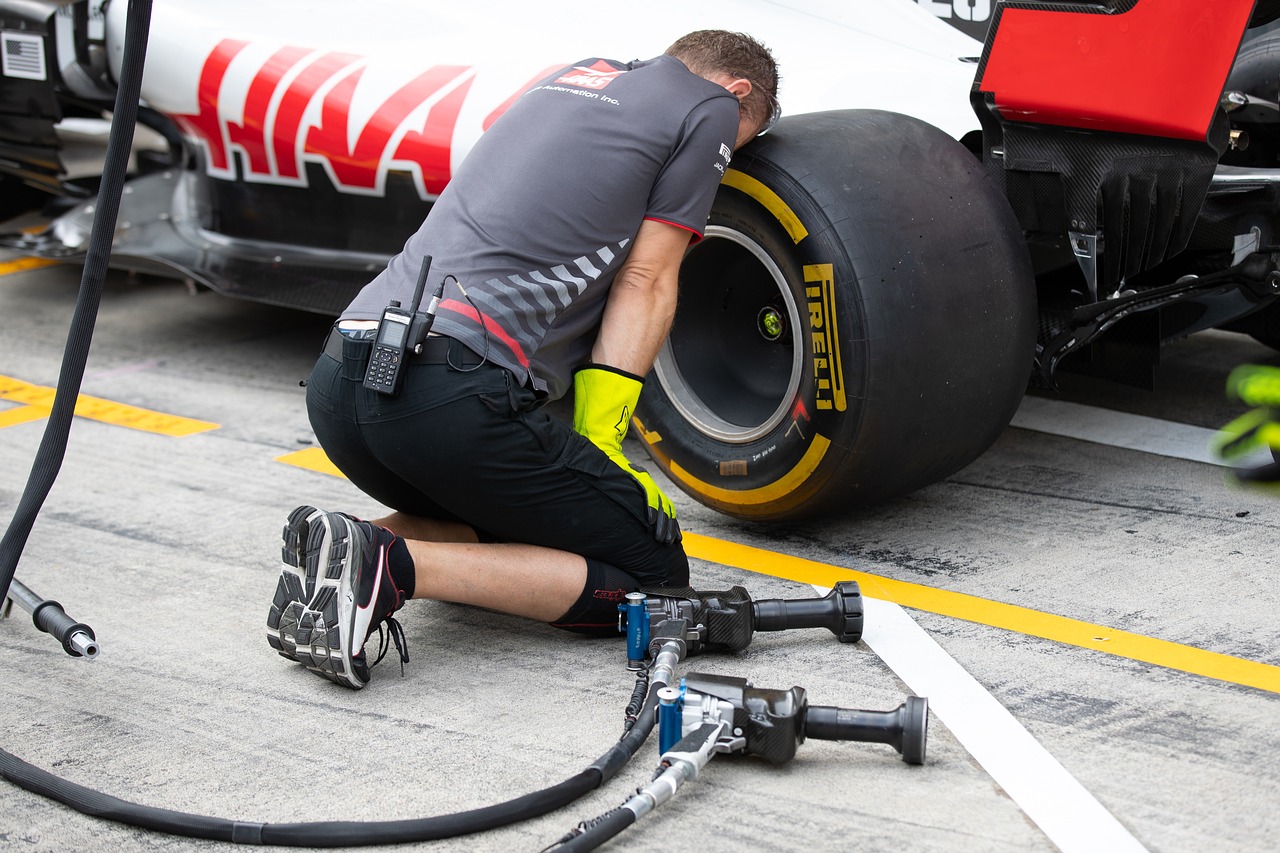
In F1 racing conditions, temperatures can reach up to 120 degrees Celsius (248 Fahrenheit) on certain parts of a tire when in use. This means that temperatures are much higher than regular passenger cars experience during everyday driving – usually only around 80-90°C (176-194°F). To counter this excessive heat build-up during races, teams must carefully monitor their tires’ condition throughout each race session by regularly checking pressures and temperature readings using specialized equipment such as pyrometers or infrared cameras during practice laps or pit stops.
Conclusion
F1 tires are put through extreme conditions compared to those experienced by regular passenger cars – reaching temperatures close to 120 degrees Celsius under peak performance conditions! Teams must closely monitor their tires condition throughout each race session in order for them not only to stay competitive but also to remain safe while navigating tight corners at high speeds around tracks across Europe!