
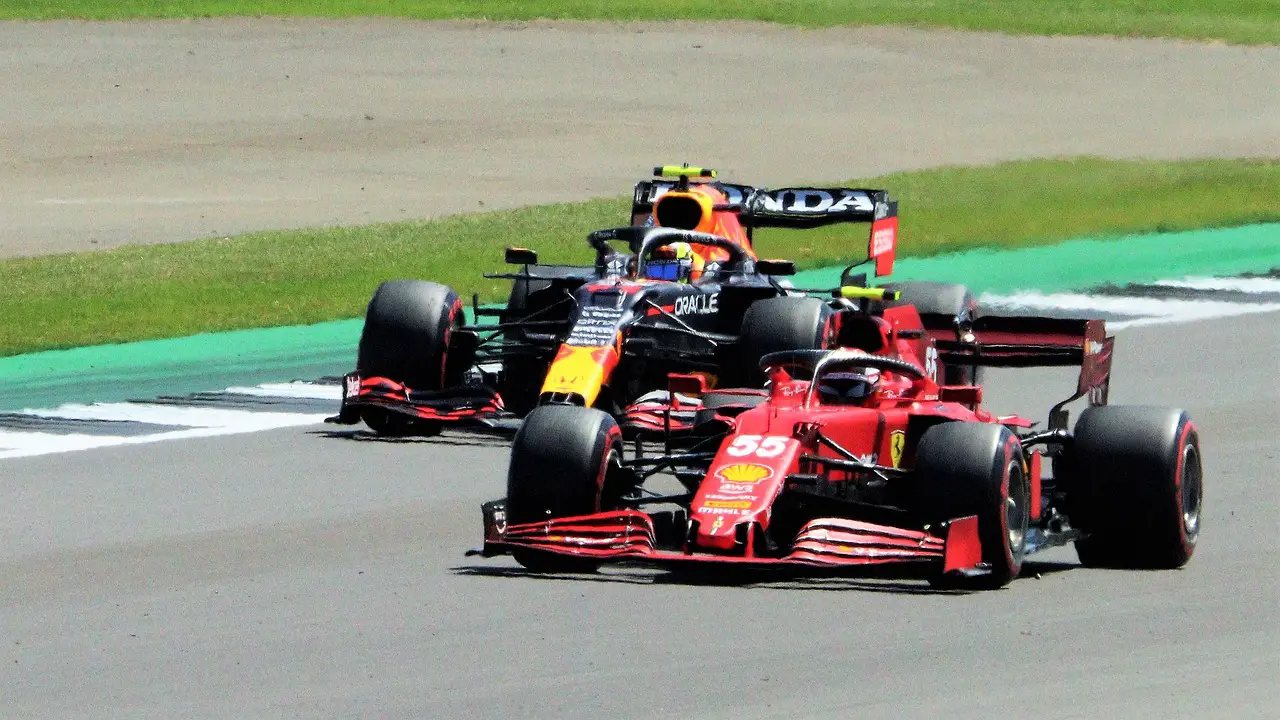
The Benefits of Practicing F1 Racing
Formula One (F1) racing is high-stakes motorsport with intricate rules and regulations. Drivers must possess exceptional driving skills, reflexes, and technical knowledge to succeed in the competitive environment. Therefore, it’s important for drivers to practice their racecraft before they hit the track. In this blog post, we’ll explore some of the ways that F1 drivers practice their racing skills.
On-Track Practice Sessions
One way that Formula One drivers can prepare for races is by participating in on-track practice sessions. During these sessions, teams will often send out several cars to complete laps around a racetrack so that the team can analyze data from each lap and compare performance across different cars or setups. This type of practice allows F1 teams to test new strategies or parts before deploying them during an actual race weekend. It also gives drivers an opportunity to familiarize themselves with a new circuit or refine their techniques on one they’ve raced at previously.
Simulators
Another way F1 drivers hone their craft is through simulated environments such as video game consoles or sophisticated simulators used specifically for motorsports training purposes like those developed by iRacing Motorsports Simulations and professional driver coaching services such as Chris Dymond’s Driver Development Program (DDP). These simulations allow drivers to experience what it feels like behind the wheel without having to leave their own garage or home office space – making them ideal preparation tools when time away from the track isn’t possible due to travel restrictions or other factors beyond the control of the driver himself/herself.
Mental Preparation
In addition to physical preparation both on and off the track, successful Formula One drivers also require mental strength to compete against top rivals in this elite field of motorsport. To sharpen their mental abilities, some drivers use visualization exercises where they imagine themselves taking part in a race scenario, visualizing every detail, from how they feel when passing certain corners to honing in on greater levels of detail to ensure victory at the end result. Others employ techniques such as reading up on past races and studying their competitors’ behavior and trends throughout the season, gaining insight into what to expect while competing against formidable opponents.
Conclusion
All in all, success in any competition heavily relies on the amount of effort put forth prior to the start line. While much attention has been focused on physical preparation for Formula One events, mastering the mental and emotional aspects are equally crucial components that cannot be overlooked if desired results are intended to be reached, regardless of the underwhelming conditions faced throughout the year ahead.