
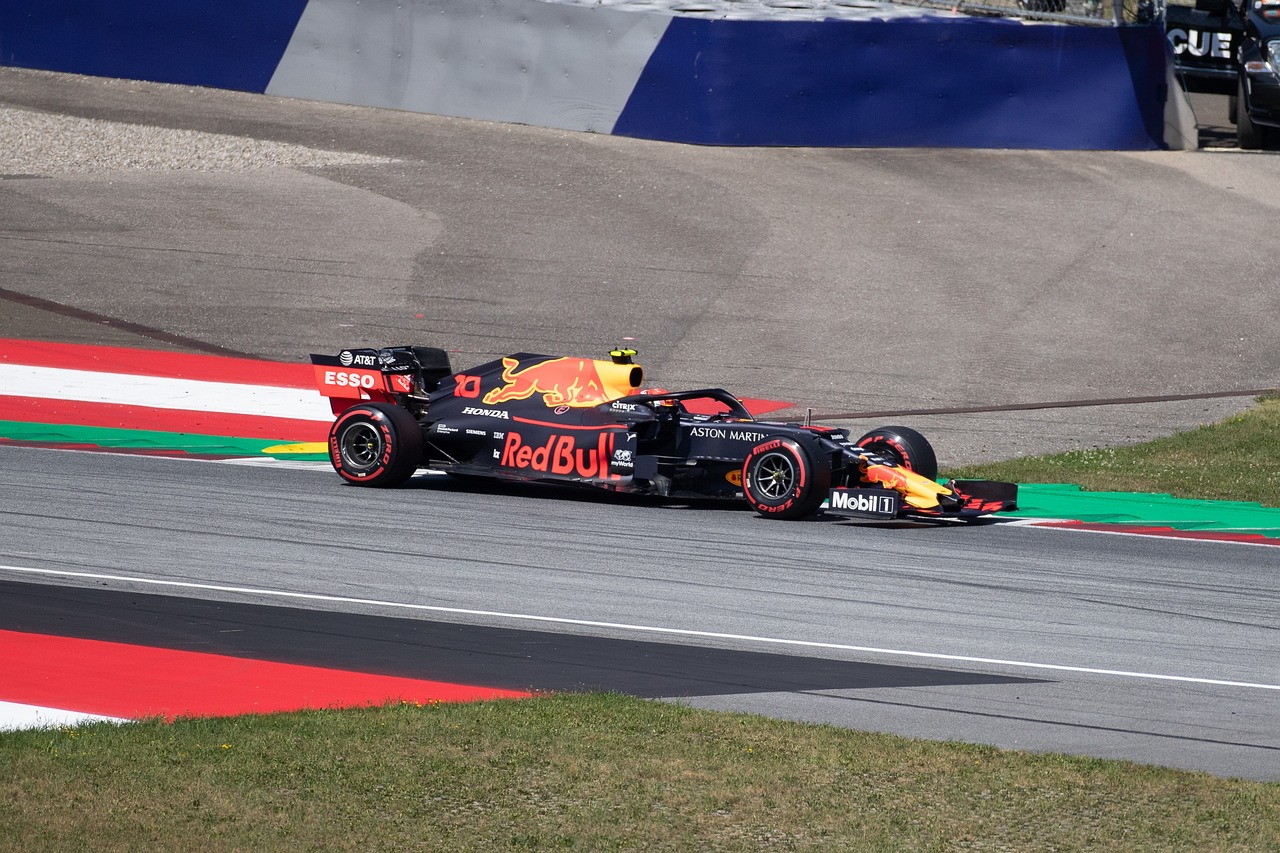
Are F1 Cars Rear Wheel Drive?
The Formula 1 Championship is one of the most popular and prestigious motorsport series in the world. It’s also incredibly complicated, with teams spending millions of dollars on technology to gain an advantage over their rivals. One aspect that many don’t think about is how these cars are powered – specifically, whether they’re rear-wheel drive or not. In this blog post, we’ll examine this question and explain why F1 cars are often rear-wheel drive.
Why Do Some Racing Series Use Rear Wheel Drive?
Rear-wheel drive has been a staple for racing series since its adoption by the Indianapolis 500 in 1905. This type of powertrain offers certain advantages over front-wheel drive configurations, including improved traction and handling as well as greater cornering speed due to increased weight transfer from the back wheels during acceleration and braking. As such, it’s no surprise that most modern F1 cars are rear-wheel driven for maximum performance potential on race tracks around the world.
The Advantages Of Rear Wheel Drive For F1 Cars
F1 engineers must make sure their car is properly balanced when traveling at extreme speeds around tight corners while competing against other drivers who may have different setups or strategies than theirs. By having all four wheels pushing forward rather than just two (as with front-wheel drives), teams can achieve better stability under heavy braking, which allows them to take tighter turns without sacrificing speed or grip – something essential when contending for pole position during qualifying sessions or fighting off competitors during races themselves! Additionally, these types of vehicles typically have higher top speeds thanks to reduced aerodynamic drag caused by air moving past fewer surfaces upfront due to only having two driven axles instead three like some traditional road-going vehicles do today (such as SUVs).
Conclusion: Why Are Most Modern F1 Cars Rear Wheel Driven?
In conclusion, it’s evident that rear wheel drives give Formula 1 racers a number of advantages when compared to other powertrains commonly used in motorsports such as front-wheel drives or all-wheel drives; namely better stability under heavy braking conditions which allows them to take tighter turns faster whilst suffering less wear & tear on tyres/components from excessive force transfers across multiple axles throughout each lap! Although there will be some exceptions depending on circuit layout/team preference etc., most modern Grand Prix machines now feature RWD configurations both for reliability purposes but also because these provide superior performance benefits overall – making them an ideal choice whenever serious competition is involved!