
What Is A Prop In Rugby?
Rugby is a popular, fast-paced, and physical sport that requires strength, speed, and agility from each player. While all players are essential to the success of a team, props often play an integral role. But what exactly is a prop in rugby?
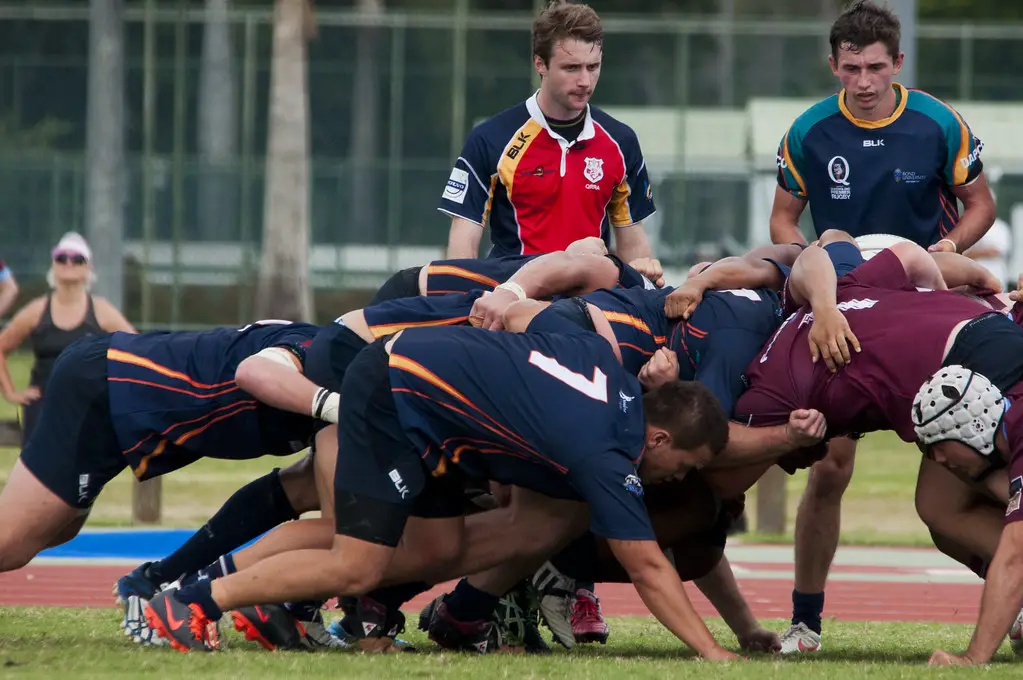
Props are members of the forward pack who are responsible for providing power during scrums and driving forward when carrying or defending against opposing teams. They wear numbers 1-3 on their back, depending on which side they play on (1 & 3 being loosehead props while 2 is tighthead). Props usually have solid frames with good upper body strength as they need to be able to hold up well in scrums and push through defenders with ease.
The Role Of A Prop In Rugby
A prop’s main job is to win possession at the set piece – meaning when lineouts occur as well as scrummaging. During both lineouts and scrums, props will use their bodies (arms locked) to create pressure on the opposition in order to gain control of the ball for their team. They must also protect themselves from being pushed backwards by using sheer brute force if necessary! Props will also help clear out rucks during open play so that other players can make ground with runs or passes easily without obstruction from opponents nearby.
When it comes to defensive duties, props must look after important areas such as tackling low near rucks or mauls; this position often involves holding off attackers from getting past them into space behind them where more tries may be scored if left unchecked! It’s also common for a prop’s job description includes clearing away any tackle situations quickly so other forwards can join in support too – adding extra layers of defense further back downfield too!
Conclusion
In conclusion, props are vital members of any rugby team due to their ability to provide power at set pieces such as lineouts and scrums but also defend against attacks effectively. With these skills combined with strong upper body strength needed for contact situations – it’s easy why this position has become one of utmost importance within modern day rugby games today!